Lussan, a stop in one of France's Most Beautiful Villages
Between château, ramparts and Protestant temple, a stroll through this hilltop village in the Gard steeped in history.
Translation of the original French article. Proposed by AI, reviewed by the author.

After a scorching day above 37 degrees outside, we headed to the village of Lussan, an 8-minute drive from our accommodation.
A bit of history
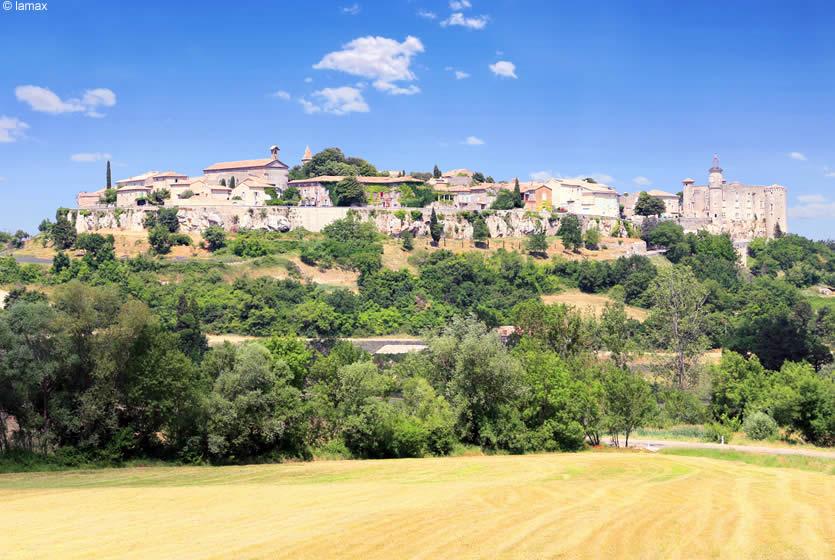
Ranked among the « Most Beautiful Villages of France », Lussan overlooks the garrigue from atop a rocky plateau, about twenty kilometres north of Uzès and halfway between Alès and Bagnols-sur-Cèze.
Human presence in the area dates back to prehistoric times, as attested by the Lèque menhir, known as "la Pierre Plantée": at 5.60 metres tall, it ranks among the largest in Languedoc. During the Gallo-Roman era, the site continued to be occupied, notably a bas-relief statue carved in the 3rd century that was found nearby.
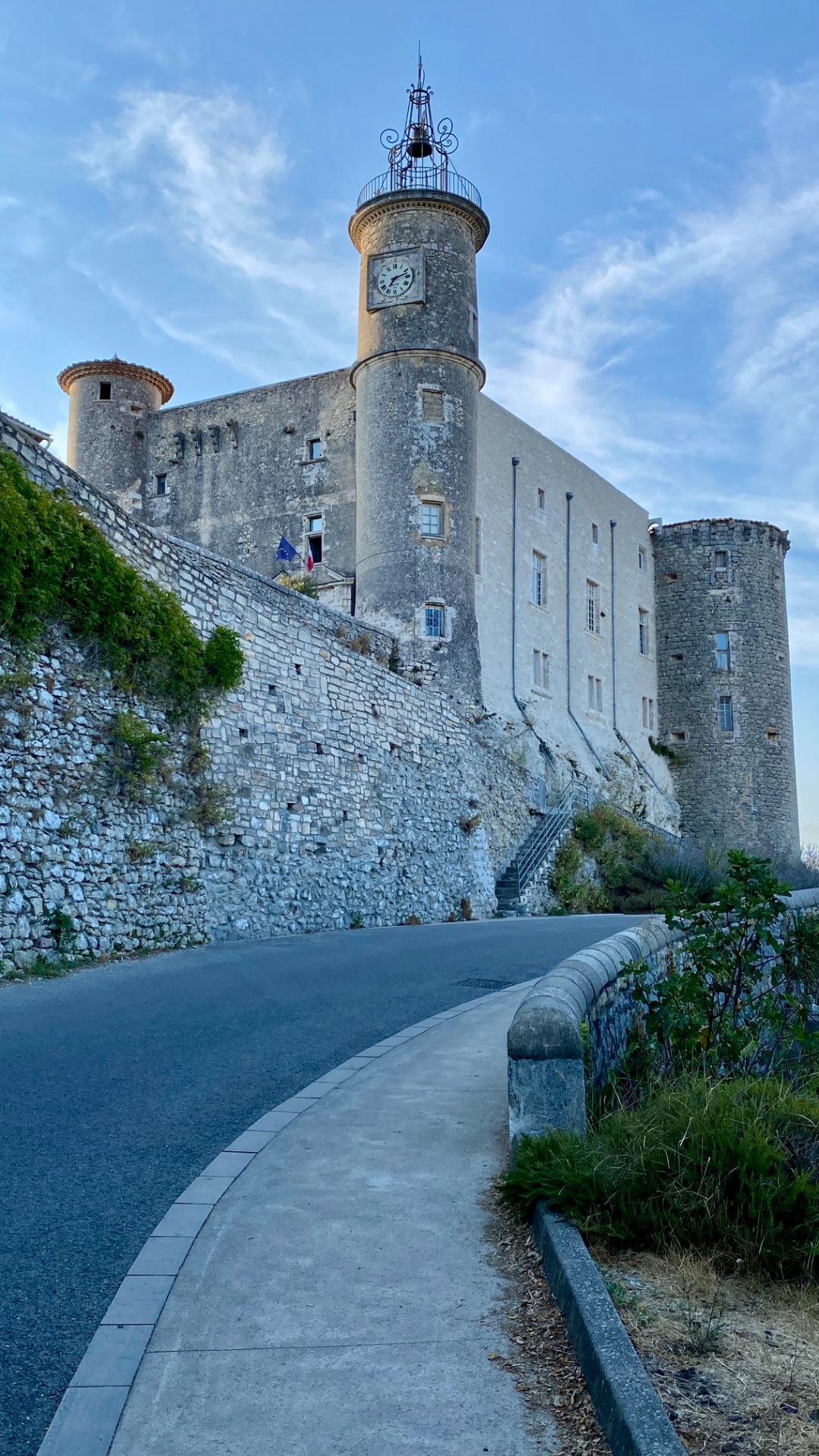
The village is encircled by a rampart (the barri in Occitan) about 800 metres long, built in the 15th century at the same time as the adjoining château with its four classic round towers. Some traces of the original château, built in the 12th century, still remain. The town's history is inseparable from that of its lords, the lords of Lussan, allied with the Barjac family linked to the County of Toulouse, and later with the Audibert family. Over the centuries, Lussan was also marked by the conflicts between Catholics and Protestants that shook the Pays d'Uzès.
In the 19th century, Lussan reached its peak thanks to the development of silk production: the population then exceeded 1,600 inhabitants. Mulberry trees were planted, farmhouses and homes filled with silkworm nurseries, and three spinning mills operated in the village. However, the opening of borders to silk under the Second Empire ruined this industry, and the consequences of the Great War of 1914-1918 then accelerated the village's depopulation.
Lussan today
Far from its 19th-century demographic peak, Lussan is today a peaceful rural municipality with 545 inhabitants in 2023.
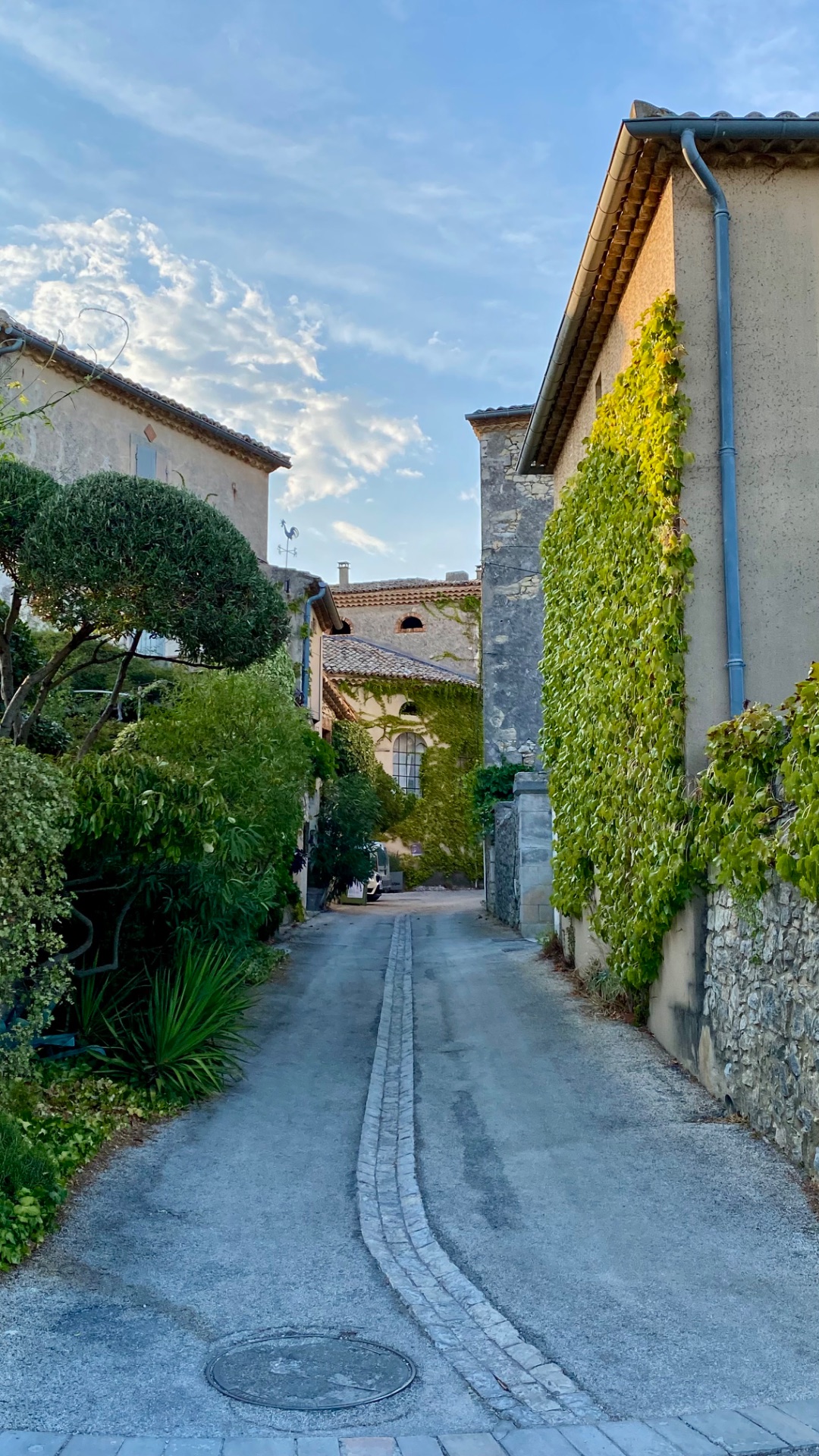
Perched on its rocky outcrop and surrounded by its ramparts, the village has preserved its medieval charm: narrow streets, old stone houses and a rampart walk offering a magnificent panorama over the surrounding garrigue. Life flows peacefully here, punctuated by local crafts and warm encounters. The village is notably renowned for its ceramics, in particular the famous ceramic guinea fowl designed by Heidi Caillard, which has become a true symbol found in many homes and shops throughout the region. Craftsmen's workshops, galleries and small shops bring life to the streets.
It is precisely thanks to this remarkably preserved heritage, the quality of its medieval setting and its exceptional natural surroundings that Lussan joined the prestigious list of « Most Beautiful Villages of France ». This label, awarded by a demanding association that watches over the preservation and promotion of small municipalities' heritage, recognises villages that combine architectural quality, enhancement of buildings and an authentic living environment.
Lussan indeed holds several accolades, as it is also labelled « Village de Caractère » and « Villes et Villages Fleuris ». Beyond the heart of the village, this ranking is also based on exceptional natural sites nearby, such as the sumptuous Concluses gorges and the Pierre Plantée menhir, testimony to a remarkably preserved site.
Our visit
We arrived at a car park below the village. By the time we had settled the baby into the pushchair, we were already in the village: less than two minutes' walk, truly easy access.
From the very first steps, as we walked up the street towards the village, the château impressed us.
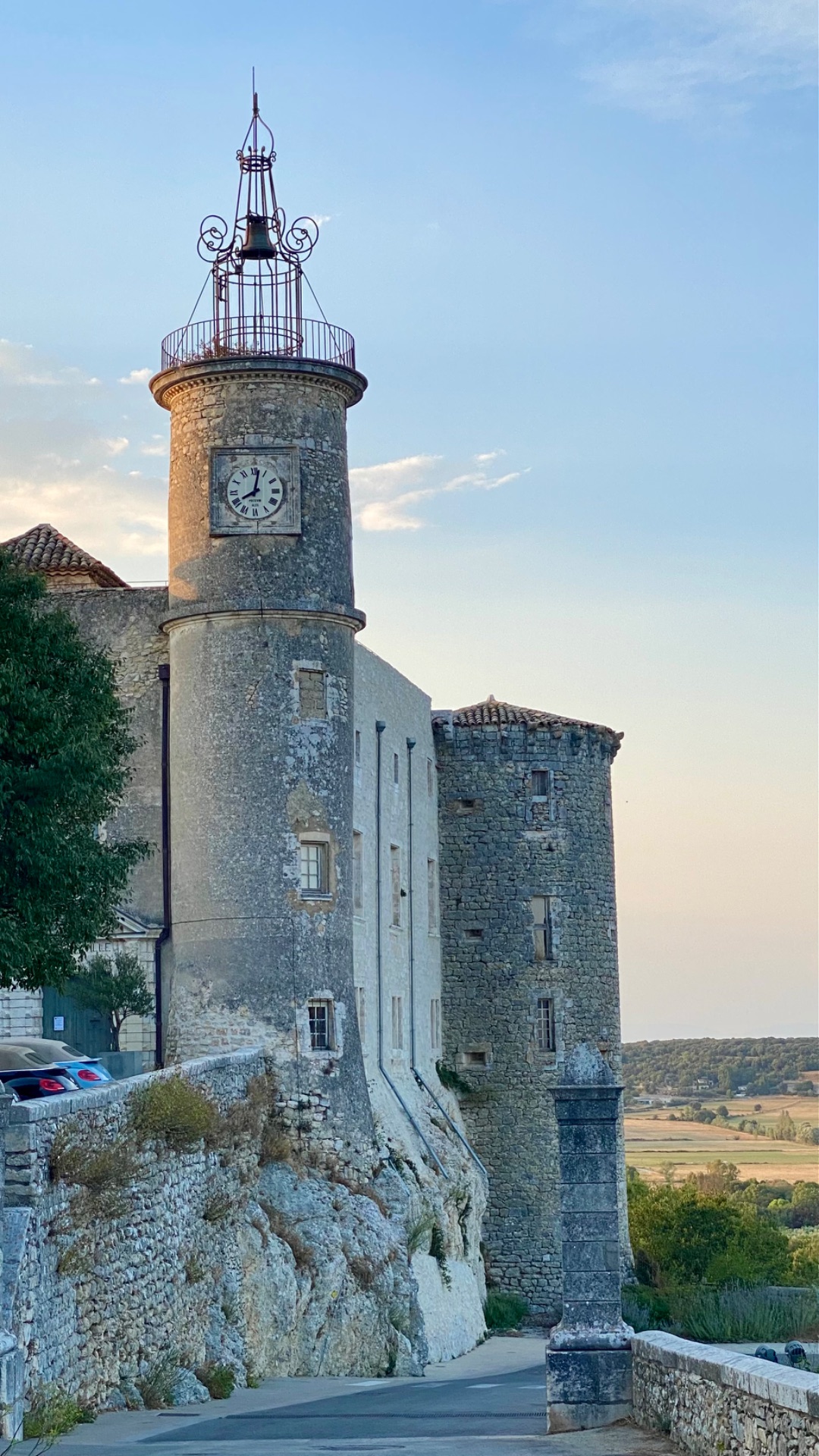
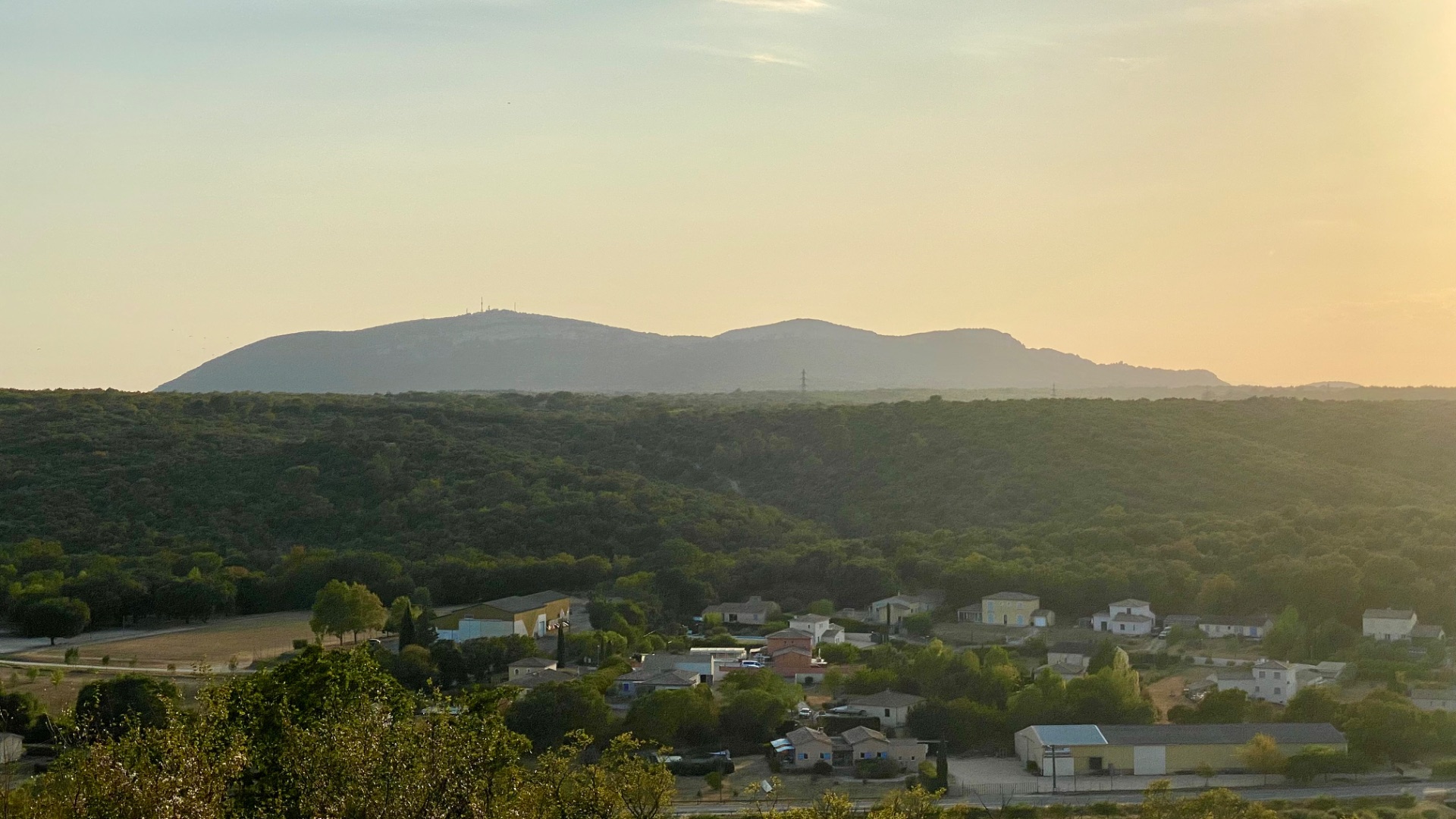
Once past the château, we walked along the rampart, which offered us a beautiful view, notably of Mont Bouquet, which we had climbed the day before.
Despite the late hour, we were given permission to visit the village's Protestant temple.
This temple was built on a plot of land with a house belonging to Jean-Pierre Gide, great-grandfather of the writer André Gide. It was inaugurated on 29 September 1822, at a time when the vast majority of Lussan's population was Protestant.
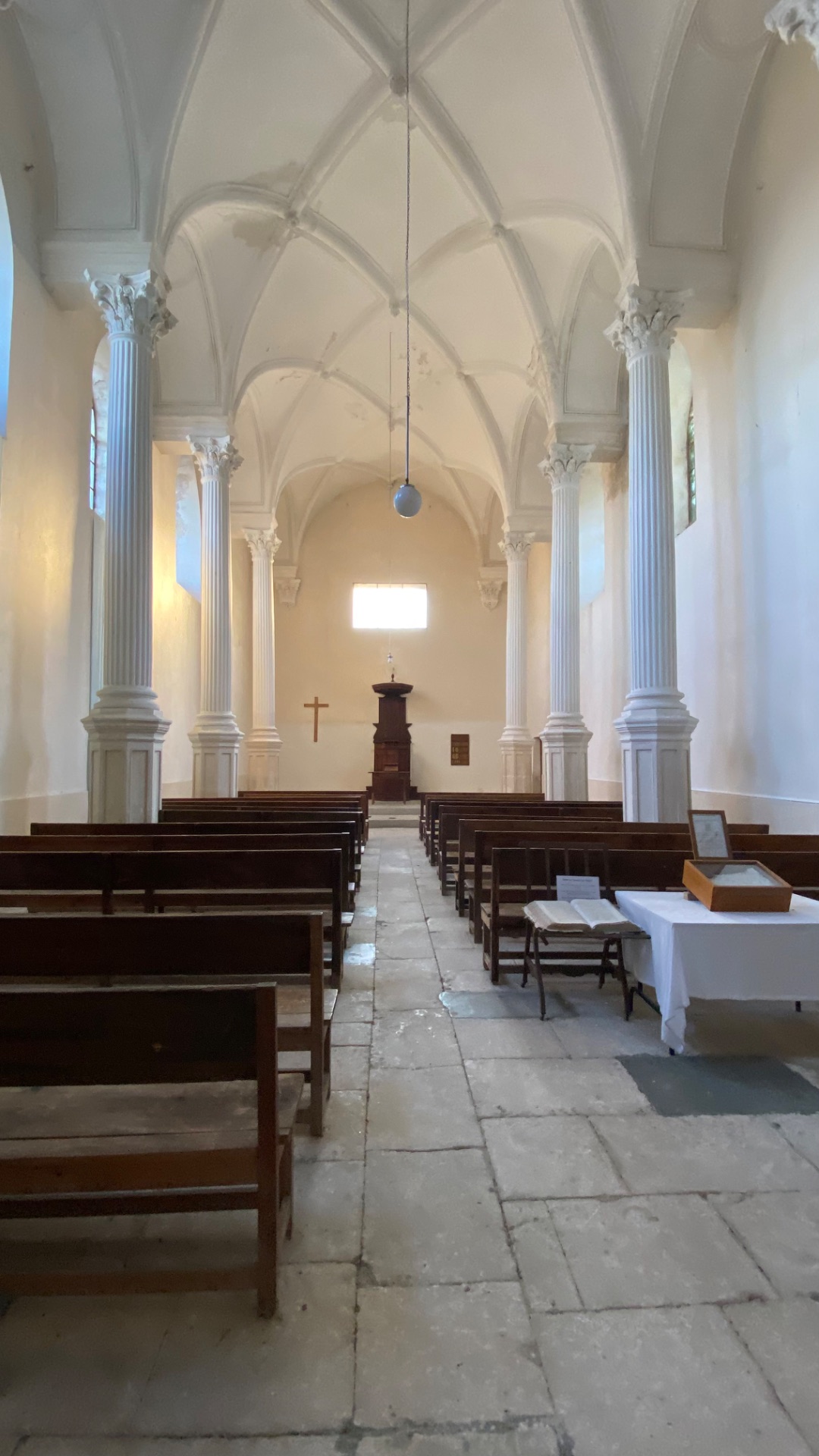
This building has been protected as a Historic Monument since 2015. Today, the temple is owned by the municipality. A renovation programme is under consideration.
An article devoted to this Protestant temple will follow soon.
We continued our visit of this peaceful village, seemingly frozen in another time. The pushchair moved easily through the various streets, each more charming than the last, lined with stone houses.
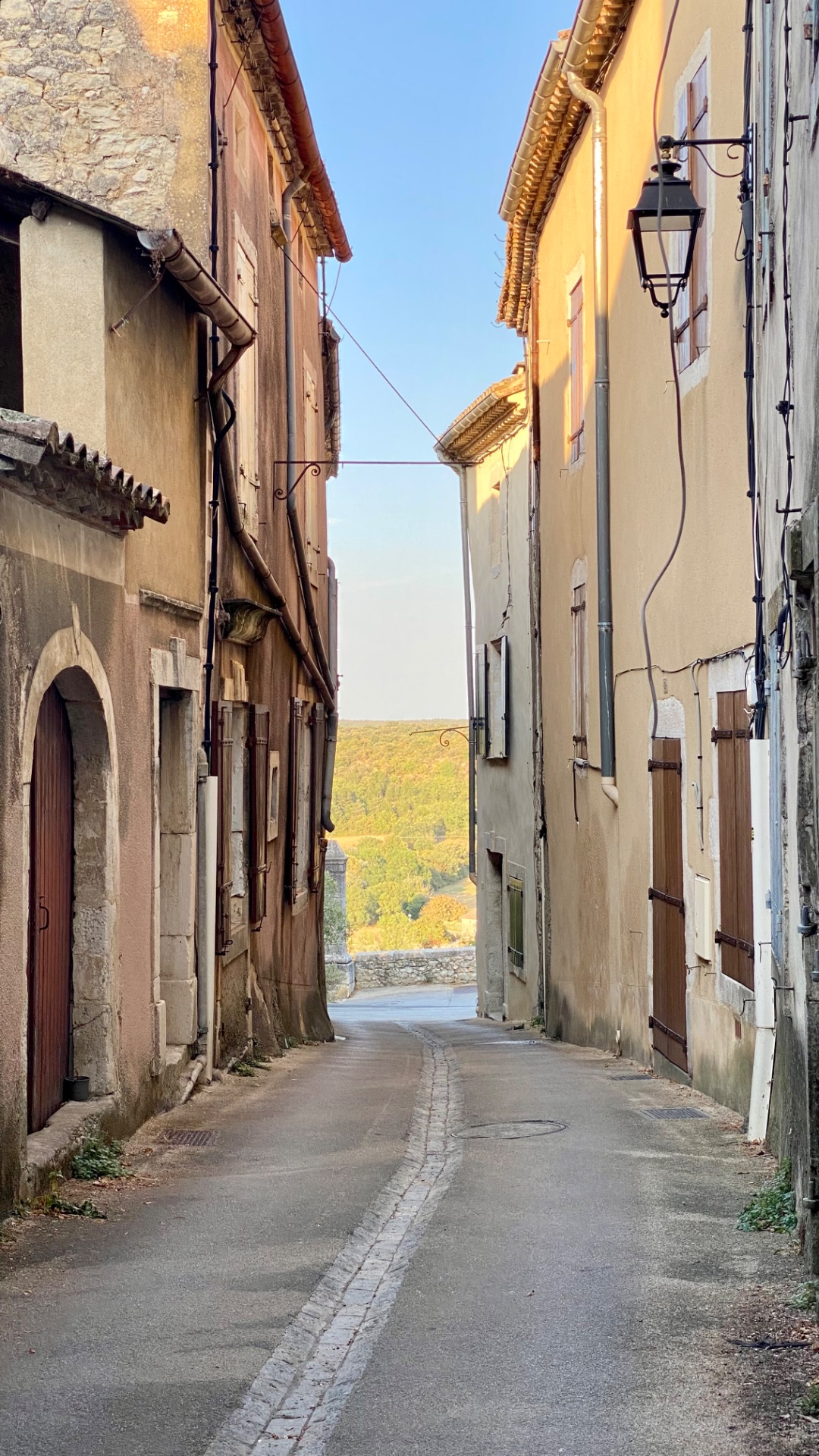
As the sun went down, the golden light caressed the stones of the old houses, giving the village a peaceful, timeless atmosphere. The overwhelming heat of the day finally gave way to a welcome coolness, perfect for strolling.
A visit we recommend
Our time in Lussan will remain a wonderful memory of this stay in the Gard. In under two hours, we were able to enjoy the essentials: the imposing château, the rampart walk with its panoramas over the garrigue and Mont Bouquet, the history-laden Protestant temple, and those cobbled streets where it's lovely to get lost.
Easily accessible and pleasant to explore even with a pushchair, Lussan has everything of an authentic Provençal village where one takes the time to live. Whether you're a lover of history, beautiful stonework, local crafts, or simply seeking tranquillity, this "Beau Village de France" is sure to charm you.
And if you have more time, don't miss the surroundings: the spectacular Concluses gorges, just a few minutes away, and the majestic Pierre Plantée menhir are worth the detour on their own.
So don't hesitate, and let yourself be charmed in turn by this small hilltop gem of the Gard garrigue if you're passing through the area!
This article was written on nTilia, an app with free access: https://ntilia.com
Sources
- Découvrez Lussan (Gard), l'un des Plus Beaux Villages de France
- Visiter Lussan dans le Gard : Plus Beau Village de France à découvrir
- Lussan un des "Plus Beaux Villages de France" - Le Gard
- Mairie de Lussan | Plus beau village de France
- Découvrez Lussan (Gard), l'un des Plus Beaux Villages de France
- Le village fortifié de Lussan (Gard) - Les carnets de Calixte
- Histoire de Lussan | Mairie de Lussan
- Lussan (Gard) - Wikipédia
- Lussan visit, photos, travel info and hotels, by Provence Beyond